![Ar[t]chetype 2024 logo.png](https://static.wixstatic.com/media/ebdeac_96394d0629ac4ca99faff9a682294200~mv2.png/v1/fill/w_380,h_380,al_c,q_85,usm_0.66_1.00_0.01,enc_avif,quality_auto/Ar%5Bt%5Dchetype%202024%20logo.png)
Navigating the Ethical Quandaries of Generative AI in Art: A Cautionary Guide
- Feb 16, 2024
- 8 min read
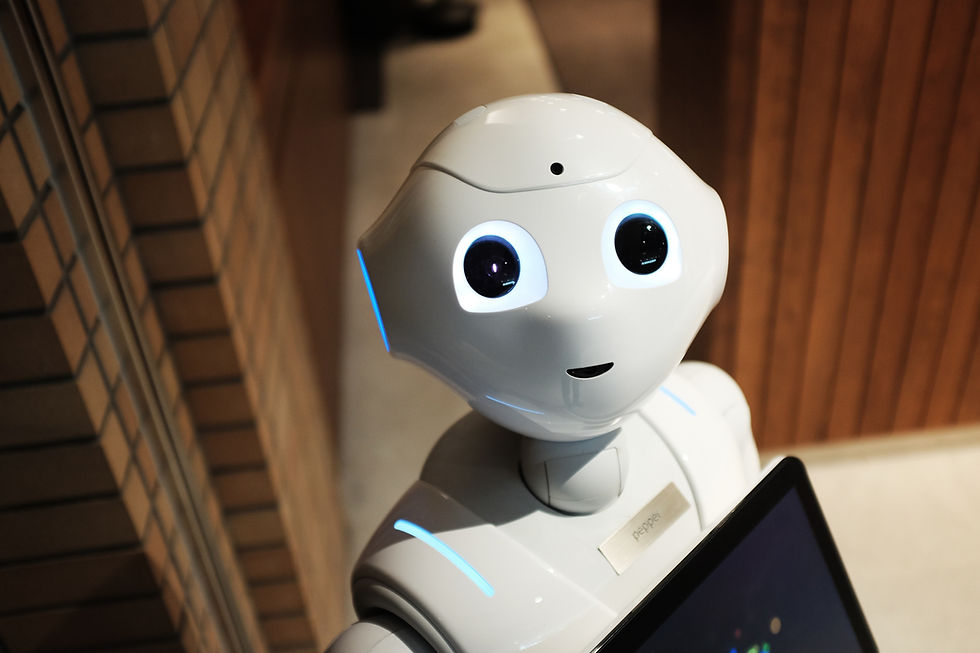
Generative Artificial Intelligence (AI) is revolutionizing the world of art, offering novel ways to create, interpret, and appreciate artistic works. However, beneath the surface of this technological marvel lie complex ethical dilemmas and creative challenges that demand our attention. As we venture further into the realm of AI-generated art, it is crucial to tread carefully and thoughtfully to ensure that we uphold the integrity of the artistic process and preserve the essence of human creativity.
One of the primary concerns raised by the integration of generative AI in artmaking is the potential loss of authenticity and originality. AI algorithms, while capable of producing impressive artworks, lack the lived experiences, emotions, and intentions that imbue human-made art with its unique essence. This raises questions about the authenticity of AI-generated art and its ability to evoke genuine emotional responses from audiences.
Moreover, the reliance on AI for artistic expression poses a risk of homogenizing artistic styles and eroding cultural diversity. AI algorithms are often trained on datasets that reflect dominant cultural norms and preferences, leading to the perpetuation of existing biases and stereotypes in art. This not only limits the diversity of artistic voices but also reinforces societal inequalities and injustices.
Additionally, the opacity of AI algorithms raises concerns about transparency and accountability in the creative process. Unlike human artists who can explain their artistic decisions and motivations, AI-generated art often lacks clear explanations for its choices, making it difficult to understand and critique. This lack of transparency undermines the trust between artists, audiences, and AI systems, hindering meaningful engagement with AI-generated art.
To address these challenges and uphold the integrity of art in the age of AI, it is essential for artists and creators to adopt a mindful and responsible approach to AI-driven artmaking. Here are some remedial strategies and approaches that everyday people can implement to navigate the ethical quandaries of generative AI in art:
1. Cultivate Human-Centric Creativity: While AI can be a valuable tool for generating ideas and inspiration, it should not replace the role of human creativity and intuition in the artistic process. Artists should strive to infuse their AI-generated artworks with their unique perspectives, emotions, and experiences, ensuring that they remain true expressions of human creativity.
2. Foster Diversity and Inclusion: Actively seek out diverse sources of inspiration and representation in AI-generated art to challenge biases and promote inclusivity. Consider the cultural, social, and historical contexts in which AI algorithms are trained and make conscious efforts to diversify and expand these datasets to reflect the richness of human experience.
3. Prioritize Transparency and Accountability: Be transparent about the use of AI in artmaking and provide audiences with insights into the creative process behind AI-generated artworks. Encourage dialogue and collaboration between artists, technologists, and audiences to foster greater understanding and trust in AI-driven art.
4. Embrace Ethical Guidelines and Standards: Adopt ethical frameworks and guidelines for the responsible use of AI in art, such as those outlined by organizations like the AI Ethics Guidelines for Art or the Creative AI Ethics Manifesto. These frameworks can help ensure that AI-generated art respects human dignity, cultural diversity, and ethical principles.
5. Engage in Critical Reflection and Dialogue: Continuously reflect on the implications of AI-driven art for society, culture, and the human experience. Encourage open and honest dialogue about the ethical, social, and philosophical questions raised by AI-generated art, and actively seek out diverse perspectives and voices in these discussions.
By embracing these principles and approaches, artists and creators can navigate the ethical complexities of generative AI in art and harness its transformative potential to enrich, inspire, and challenge audiences in meaningful ways. Together, let us embark on a journey towards a future where art and technology coexist harmoniously, empowering us to explore new frontiers of creativity and expression while upholding the values and principles that define our humanity.
Scenario 1: The Loss of Artistic Authenticity
Sarah, an aspiring artist, decides to experiment with generative AI to create her next series of paintings. However, she soon realizes that her AI-generated artworks lack the personal touch and emotional depth of her handcrafted pieces. Concerned about the loss of authenticity in her art, Sarah seeks guidance on how to maintain her artistic identity while incorporating AI into her creative process.
Creative Solution:
Sarah decides to use generative AI as a complementary tool rather than a replacement for her artistic skills. She integrates AI-generated elements into her artworks but retains control over the overall composition, style, and emotional resonance of her pieces. By blending AI-generated and human-made elements, Sarah is able to preserve the authenticity of her art while exploring new creative possibilities.
Preventative Approach:
Before delving into AI-generated art, Sarah conducts thorough research on ethical considerations and best practices for integrating AI into the artistic process. She seeks advice from fellow artists and experts in the field to gain insights into potential challenges and solutions. By proactively addressing concerns about authenticity and creative control, Sarah is better prepared to navigate the complexities of AI-driven artmaking.
Scenario 2: Cultural Homogenization in AI Art
James, a digital artist, decides to use generative AI to create a series of illustrations inspired by traditional African motifs. However, he soon realizes that the AI algorithms he's using are biased towards Western art styles and fail to capture the richness and diversity of African art. Concerned about perpetuating cultural homogenization, James seeks guidance on how to create AI-generated art that celebrates cultural diversity and authenticity.
Creative Solution:
James decides to collaborate with artists from diverse cultural backgrounds to curate a dataset of images and styles that represent a wide range of artistic traditions. He works with AI developers to train algorithms on this inclusive dataset, ensuring that the resulting AI-generated art reflects the cultural richness and diversity of the global art community. By embracing cultural exchange and collaboration, James is able to create AI-generated art that celebrates and honors diverse cultural heritage.
Preventative Approach:
Before using generative AI in his artistic practice, James conducts a thorough audit of AI algorithms to identify potential biases and limitations. He actively seeks out datasets and models that prioritize diversity and inclusion, and advocates for the development of AI systems that are sensitive to cultural nuances and differences. By taking proactive steps to address cultural homogenization in AI art, James ensures that his creative output respects and celebrates the unique identities and traditions of diverse communities.
Scenario 3: Lack of Transparency in AI Art
Emily, a digital artist, decides to incorporate generative AI into her creative process to explore new artistic possibilities. However, she soon finds herself struggling to understand the decisions made by the AI algorithms and the factors influencing the output of her artworks. Concerned about the lack of transparency in AI art, Emily seeks guidance on how to demystify the creative process and foster greater understanding and trust with her audience.
Creative Solution:
Emily decides to document her artistic journey with generative AI, providing insights into the training data, algorithms used, and artistic choices made throughout the process. She creates tutorials and behind-the-scenes videos that explain the technical aspects of AI artmaking in accessible language, inviting her audience to engage with the creative process and ask questions. By demystifying AI art and fostering transparency, Emily builds trust and rapport with her audience, empowering them to appreciate and critique her work more deeply.
Preventative Approach:
Before incorporating generative AI into her artistic practice, Emily educates herself on the technical aspects of AI algorithms and their implications for artistic expression. She establishes clear guidelines and protocols for documenting and sharing her AI art process, ensuring transparency and accountability in her creative endeavors. By proactively addressing concerns about transparency and communication, Emily cultivates a supportive and informed community of art enthusiasts who are eager to engage with her AI-generated artworks.
Scenario 1: The Homogenization Dilemma
Issue: Alex, an aspiring artist, starts using a popular AI art generator to create stunning digital paintings. Over time, Alex notices a subtle shift in their artistic style, unintentionally mirroring the dominant trends perpetuated by the AI. The fear of losing their unique voice and contributing to the homogenization of art creeps in.
Solution/Prevention: Alex decides to balance AI assistance with personal introspection. Instead of solely relying on the AI for inspiration, they consciously diversify their influences. By exploring various art forms, cultures, and historical periods, Alex introduces a rich tapestry of ideas into their creative process, ensuring their art remains a unique amalgamation of human experiences.
---
Scenario 2: The Bias Trap
Issue: Maya, a digital artist, discovers that her AI-generated artworks consistently feature biased representations, reinforcing harmful stereotypes. Concerned about perpetuating cultural biases, Maya faces a moral dilemma and worries about the impact on her audience.
Solution/Prevention: Maya takes proactive steps to mitigate biases in her AI-generated art. She carefully curates diverse datasets, including underrepresented voices, to train the AI. Additionally, she incorporates manual interventions, using her artistic judgment to counteract potential biases. By actively engaging with and challenging the AI's outputs, Maya ensures her art promotes inclusivity and challenges stereotypes.
---
Scenario 3: The Transparency Challenge
Issue: Chris, an artist exploring AI in their practice, faces criticism from their audience for the lack of transparency in their AI-generated artworks. Audiences express frustration at not understanding the algorithms' decisions, leading to a disconnect between Chris and their viewers.
Solution/Prevention: Chris decides to demystify the creative process by providing insights into the AI's role. Through explanatory notes, livestreams, and artist statements, Chris communicates the collaborative nature of their work with AI. This transparency fosters a deeper connection with the audience, encouraging them to appreciate both the artistic intent and the technology's contributions.
---
Scenario 4: The Authenticity Conundrum
Issue: Taylor, an established painter, incorporates AI assistance into their traditional art practice. However, doubts arise about the authenticity of their AI-enhanced pieces, challenging Taylor's artistic identity and leaving them uncertain about the emotional resonance of their work.
Solution/Prevention: Taylor actively engages with the AI as a tool rather than a replacement for their artistic vision. By infusing their personal experiences, emotions, and storytelling into each piece, Taylor ensures that the AI serves as a complement to their creativity, preserving the authenticity of their artistic expression.
In each scenario, the artists confront challenges associated with generative AI in art and employ creative solutions and preventative measures to navigate these complexities. These fictional examples aim to illustrate the nuanced considerations artists may face in the evolving landscape of AI-driven creativity.
1. Scenario: An artist, eager to explore the possibilities of generative AI in their work, begins using AI algorithms to create digital paintings. However, they soon realize that their AI-generated artworks lack the depth and emotional resonance of their traditional pieces, leading to feelings of disillusionment and artistic frustration.
Solution: The artist decides to integrate AI as a complementary tool rather than a replacement for their traditional artistic practice. They use the AI-generated elements as starting points or inspiration for their artworks, adding their unique artistic flair and emotional depth to create more authentic and meaningful pieces.
Preventative Approach: Before fully embracing AI in their artmaking process, the artist takes time to reflect on their artistic intentions and values. They establish clear boundaries and guidelines for the use of AI, ensuring that it enhances rather than detracts from their creative vision.
2. Scenario: A gallery curator, excited by the novelty of AI-generated art, decides to host an exhibition featuring exclusively AI-generated artworks. However, the exhibition receives criticism for its lack of diversity and representation, as the AI algorithms used in the creation of the artworks were trained on datasets that predominantly feature Western, male, and Eurocentric perspectives.
Solution: The curator acknowledges the oversight and commits to diversifying the exhibition by including AI-generated artworks created by artists from underrepresented backgrounds. They collaborate with diverse artists and technologists to curate a more inclusive and representative showcase that celebrates the richness of human experiences and perspectives.
Preventative Approach: Before selecting artworks for the exhibition, the curator conducts thorough research on the datasets used to train the AI algorithms. They prioritize datasets that reflect a diverse range of cultural, social, and historical perspectives, ensuring that the AI-generated artworks contribute to a more inclusive and equitable artistic landscape.
3. Scenario: A collector purchases an AI-generated artwork at an auction, attracted by its novelty and potential investment value. However, they later discover that the artwork's provenance and authenticity are difficult to verify, as the AI algorithm used to create it lacks transparency and documentation.
Solution: The collector seeks assistance from experts in AI and art authentication to verify the authenticity of the artwork and its creator. They collaborate with technologists to develop blockchain-based solutions that provide transparent and immutable records of AI-generated artworks, ensuring greater accountability and trust in the art market.
Preventative Approach: Before purchasing AI-generated artworks, the collector conducts due diligence to research the reputation and credibility of the artists and platforms involved. They prioritize artworks with clear documentation and provenance, ensuring that their investments are based on verifiable information and ethical practices.


Comments